I Need to Send Email: Complete Guide for Business Success
April 17, 2026
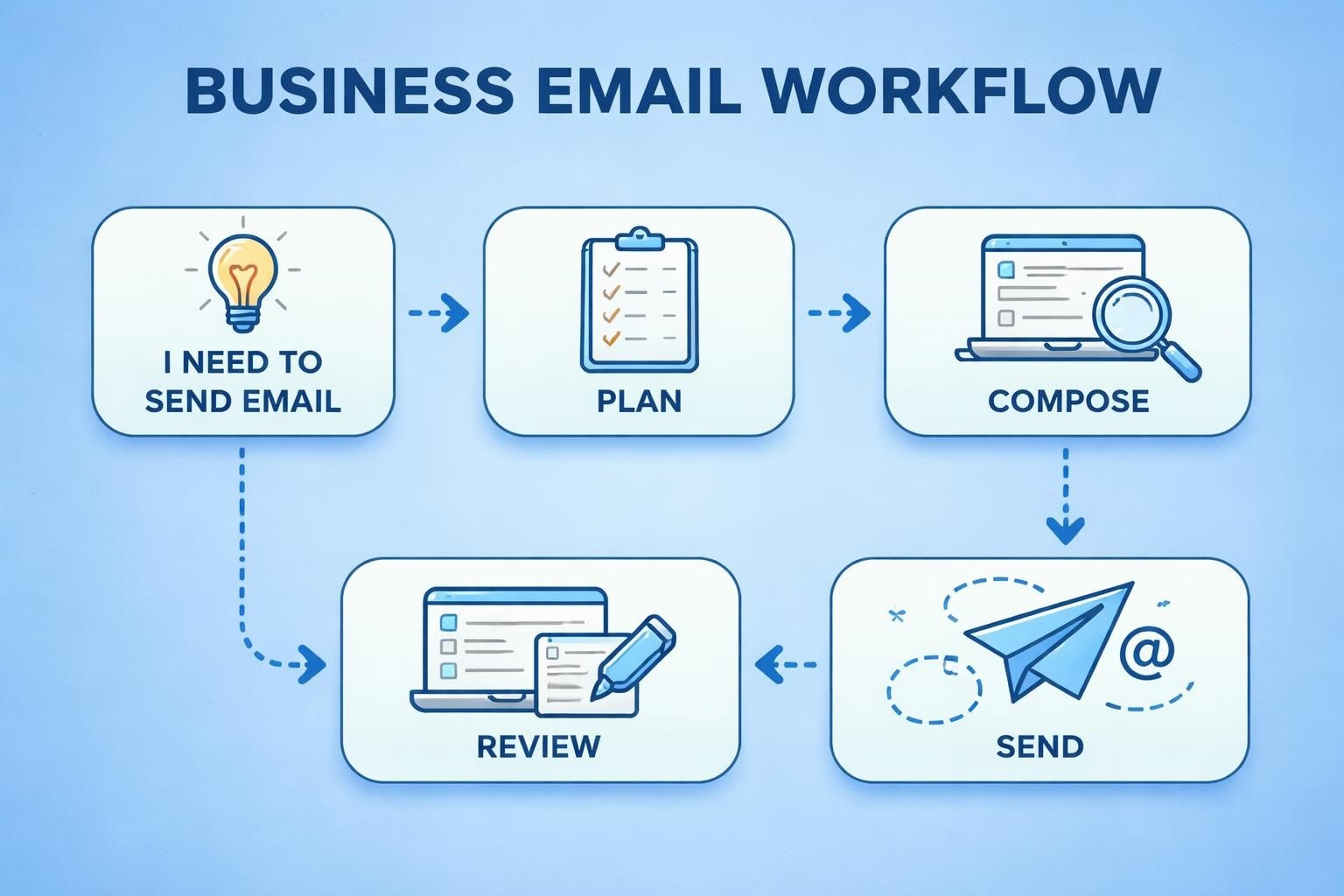
Every business professional experiences that familiar moment when they think, "I need to send email." Whether you're reaching out to a potential customer, following up with an existing client, or launching your first marketing campaign, email remains the cornerstone of business communication in 2026. For small business owners especially, understanding the complete picture of email communication - from basic messages to sophisticated marketing campaigns - can transform how you connect with your audience and grow your enterprise.
Understanding the Modern Email Landscape
When you recognise that i need to send email, you're participating in a communication channel that processes over 347 billion messages daily worldwide. This staggering volume highlights both the opportunity and the challenge facing small businesses today.
Email communication has evolved far beyond simple text messages. Modern business email encompasses transactional messages, relationship building, customer service, and strategic marketing campaigns. Each type serves a distinct purpose and requires different approaches to maximise effectiveness.
The Types of Email You'll Send
Different business situations call for different email strategies:
- Transactional emails confirm purchases, send receipts, and provide order updates
- Relationship emails nurture connections with prospects and customers over time
- Marketing campaigns promote products, services, and special offers to segmented audiences
- Customer service messages address queries, resolve issues, and maintain satisfaction
- Internal communications coordinate teams and share essential business information
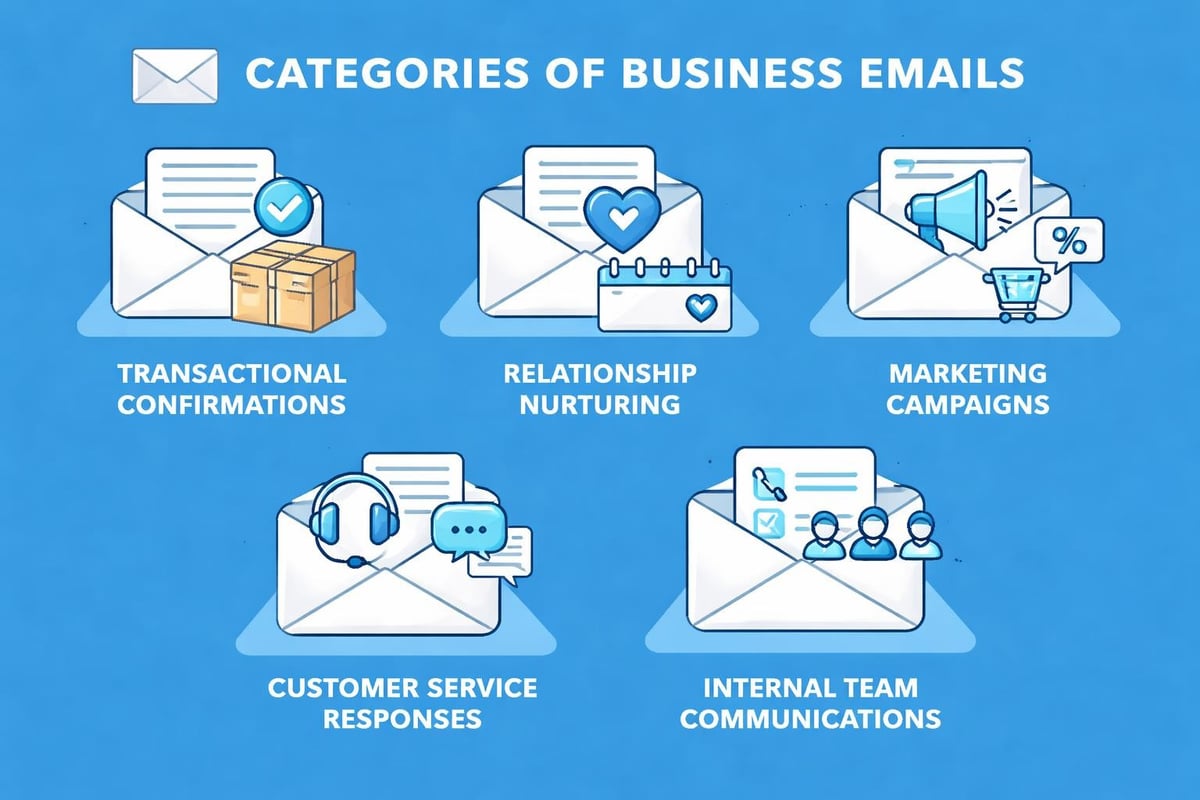
Understanding which type you need determines your approach, tools, and expected outcomes. When you think i need to send email, the first question should always be: what am I trying to achieve?
Essential Tools and Platforms
The right platform makes all the difference when you need to send email efficiently. Small businesses typically require different solutions depending on whether they're sending individual messages or bulk marketing campaigns.
| Email Type | Best Platform | Key Features | Ideal For |
|---|---|---|---|
| Individual messages | Outlook, Apple Mail | Personal communication, threading | Daily correspondence |
| Small campaigns | Dedicated email tools | Templates, basic analytics | Getting started |
| Professional marketing | Marketing SaaS platforms | Automation, segmentation, reporting | Growth-focused businesses |
| Transactional | Integrated systems | Triggered sends, reliability | E-commerce and services |
For basic individual emails, creating and sending email in Outlook provides a solid foundation. Apple users can rely on their native Mail application, with comprehensive sending instructions available from Apple Support.
However, when your business needs scale beyond individual messages, a dedicated email marketing platform becomes essential. Astonish Email specialises in providing small businesses with professional marketing capabilities without overwhelming complexity.
Crafting Effective Email Messages
Whether you're composing your first message or your thousandth, certain principles remain constant. When you realise i need to send email, the quality of that message determines whether your recipient reads, responds, or deletes.
The Anatomy of a Professional Email
Every effective business email contains these critical elements:
- Subject line that clearly communicates value and purpose
- Professional greeting appropriate to your relationship with the recipient
- Opening sentence that immediately establishes relevance
- Body content structured for scanability and comprehension
- Clear call to action guiding the recipient's next step
- Professional signature with complete contact information
The best practices for writing effective emails emphasize targeting your audience precisely and crafting subject lines that compel opens without resorting to clickbait tactics.
Subject Lines That Work
Your subject line determines whether recipients open your message. Research shows that 47% of email recipients decide to open based solely on this single element.
High-performing subject lines typically:
- Communicate clear value or benefit
- Create appropriate urgency without manipulation
- Personalise when relevant and authentic
- Stay between 41-50 characters for optimal display
- Avoid spam triggers like excessive punctuation or ALL CAPS
When you need to send email for marketing purposes, testing different subject line approaches reveals what resonates with your specific audience. A/B testing becomes invaluable for continuous improvement.
Email Marketing for Small Businesses
The moment many small business owners think "i need to send email" marks their entry into email marketing. This transition from individual messages to strategic campaigns represents a significant opportunity for business growth.
Email marketing delivers an average return of £36 for every £1 spent, making it one of the most cost-effective marketing channels available. However, this performance depends entirely on proper execution and adherence to best practices.
Building Your Email List Properly
Your email list forms the foundation of successful campaigns. Quality always trumps quantity when building your subscriber base.
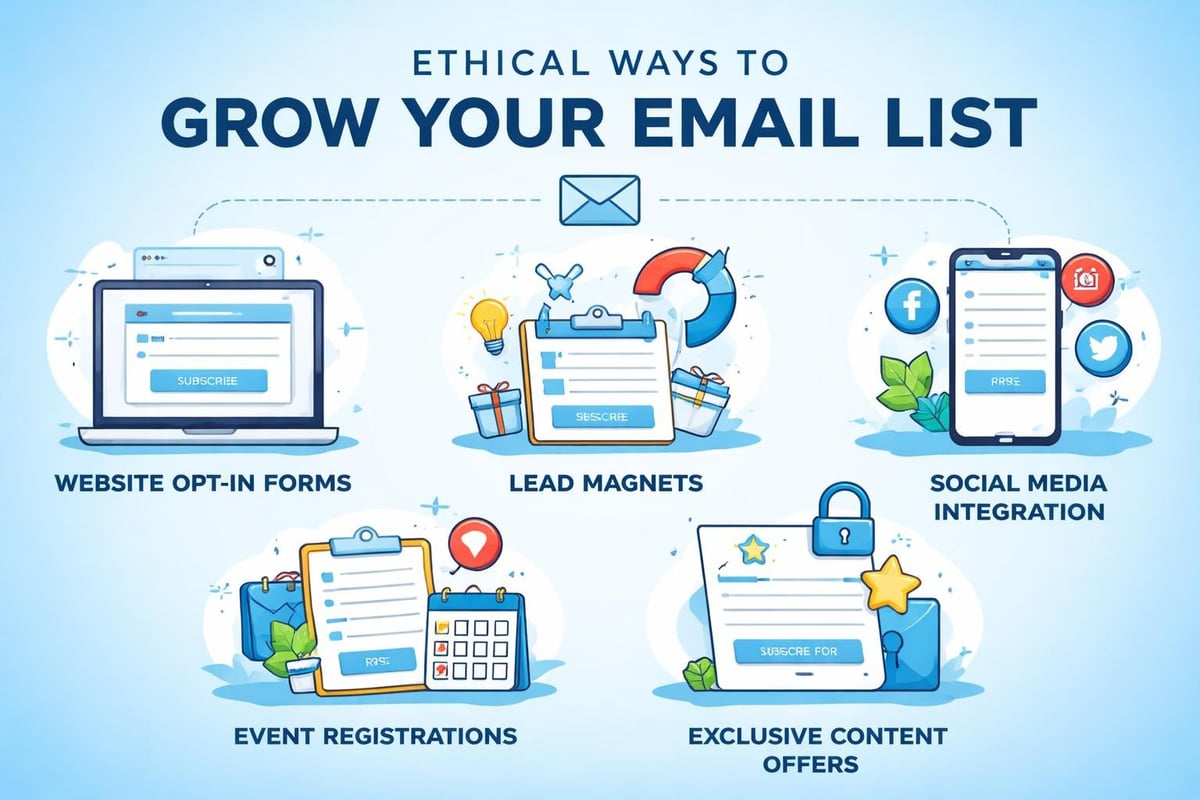
Effective list-building strategies include:
- Offering valuable lead magnets on your website
- Creating compelling opt-in opportunities at checkout
- Running targeted social media campaigns
- Hosting webinars or virtual events requiring registration
- Providing exclusive content or early access to subscribers
Never purchase email lists or add contacts without explicit permission. Beyond being poor practice, it violates data protection regulations and damages your sender reputation. Those who genuinely think "I want to receive email from this business" become your most valuable subscribers.
Segmentation and Personalisation
When you need to send email to hundreds or thousands of subscribers, treating them as individuals paradoxically increases effectiveness. Segmentation divides your list into targeted groups based on shared characteristics.
| Segmentation Type | Based On | Use Case |
|---|---|---|
| Demographic | Age, location, job title | Tailored messaging |
| Behavioural | Purchase history, engagement | Relevant offers |
| Psychographic | Interests, values | Content alignment |
| Lifecycle stage | New subscriber, active customer | Journey-appropriate communication |
Modern email marketing platforms, including those designed specifically for email sending, make segmentation accessible even for small businesses with limited technical resources.
Deliverability and Technical Considerations
The best email in the world accomplishes nothing if it lands in the spam folder. When you need to send email professionally, understanding deliverability fundamentals becomes non-negotiable.
Authentication Protocols
Email authentication proves to receiving servers that your messages come from a legitimate source. The three critical protocols are:
- SPF (Sender Policy Framework) verifies sending servers
- DKIM (DomainKeys Identified Mail) confirms message integrity
- DMARC (Domain-based Message Authentication) provides reporting and policy enforcement
Setting up these protocols requires accessing your domain's DNS records. Most email marketing platforms provide detailed instructions, and many offer automated setup assistance.
Maintaining Sender Reputation
Your sender reputation directly impacts whether your emails reach inboxes. Think of it as your credit score for email sending.
Factors affecting sender reputation:
- Bounce rates (keep below 2%)
- Spam complaint rates (target below 0.1%)
- Engagement rates (opens, clicks, replies)
- Sending consistency and volume patterns
- List hygiene and maintenance practices
Regular list cleaning removes inactive subscribers and invalid addresses. While counter-intuitive, a smaller, engaged list outperforms a larger, disengaged one every time.
Best Practices for Email Campaigns
When you determine i need to send email as a marketing campaign, following established best practices separates successful initiatives from wasted efforts. The best practices for sending email campaigns emphasise recipient consent, easy unsubscribe options, and personalized content.
Timing and Frequency
Sending timing significantly impacts performance. Industry research suggests Tuesday through Thursday, between 10:00 AM and 2:00 PM, generates the highest engagement. However, your specific audience may differ.
Testing reveals optimal timing for your subscribers. Track metrics across different days and times, then optimise based on data rather than assumptions.
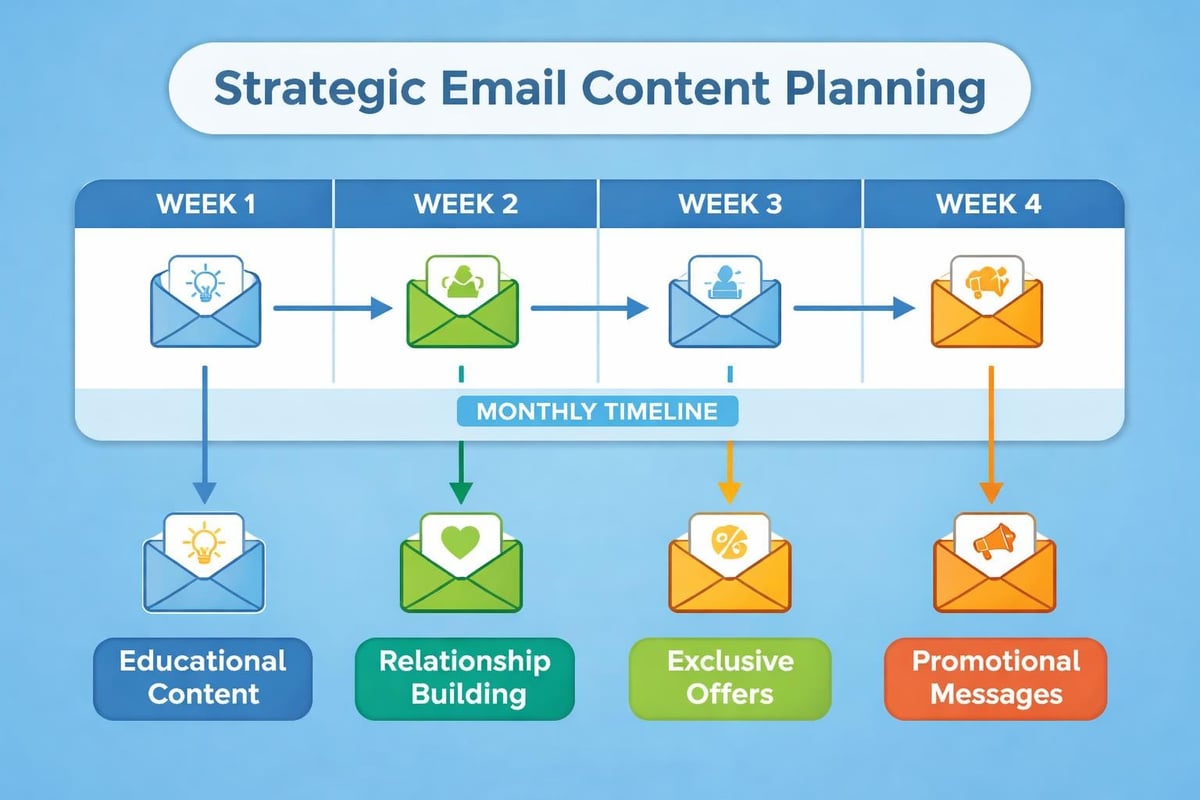
Regarding frequency, balance staying top-of-mind against audience fatigue. Most successful small businesses send between one and four marketing emails monthly. When you need to send email more frequently, ensure each message delivers genuine value.
Content Strategy
Every email should serve a clear purpose and provide value. Recipients quickly abandon brands that treat their inboxes as dumping grounds for constant sales pitches.
Effective email content includes:
- Educational articles solving common customer problems
- Exclusive insights or industry trends
- Behind-the-scenes stories building connection
- Special offers for subscribers only
- User-generated content showcasing customer success
The 80/20 rule applies well to email marketing: provide value 80% of the time, make offers 20% of the time. This approach builds trust and maintains engagement over the long term.
Measuring Email Success
When you need to send email for business purposes, measurement determines whether you're succeeding. Without analytics, you're essentially flying blind.
Key Performance Indicators
Different metrics matter for different email types:
| Metric | What It Measures | Good Benchmark |
|---|---|---|
| Open Rate | Subject line effectiveness | 15-25% |
| Click-Through Rate | Content relevance and CTA strength | 2-5% |
| Conversion Rate | Campaign ROI | 1-3% |
| Bounce Rate | List health | Under 2% |
| Unsubscribe Rate | Content-audience fit | Under 0.5% |
Track these metrics consistently, but focus on trends rather than individual campaign variations. One poor-performing email doesn't indicate failure; a consistent downward trend demands attention.
A/B Testing for Improvement
Systematic testing drives continuous improvement. When you need to send email campaigns, testing reveals what resonates with your specific audience.
Elements to test include:
- Subject lines (first priority)
- Sender name and address
- Email body copy and structure
- Call-to-action button text and placement
- Images versus text-heavy approaches
- Sending time and day
Test one variable at a time with statistically significant sample sizes. Most email marketing platforms, including solutions for creating professional emails, include built-in A/B testing capabilities.
Compliance and Legal Requirements
Professional email marketing requires understanding and following applicable regulations. When you need to send email to customers, compliance protects both your recipients and your business.
GDPR and Data Protection
The General Data Protection Regulation governs how businesses collect, store, and use personal data, including email addresses. Key requirements include:
- Explicit consent before adding someone to your list
- Clear purpose explained at point of collection
- Easy unsubscribe mechanism in every email
- Data security measures protecting subscriber information
- Right to deletion honouring removal requests promptly
Beyond legal requirements, respecting privacy builds trust. Transparent data practices differentiate professional businesses from spam operations. Understanding your anti-spam policy ensures compliance and maintains your reputation.
CAN-SPAM Act Essentials
For businesses sending emails to recipients in the United States, the CAN-SPAM Act establishes requirements:
- Accurate header information identifying the sender
- Non-deceptive subject lines
- Clear identification of the message as an advertisement
- Valid physical postal address
- Functioning unsubscribe mechanism
- Prompt processing of opt-out requests (within 10 business days)
Violations carry significant penalties, making compliance essential rather than optional.
Advanced Email Strategies
As your email marketing matures, advanced strategies amplify results. When you regularly need to send email campaigns, these techniques separate good performance from exceptional outcomes.
Automation and Workflows
Email automation sends the right message at the right time without manual intervention. Triggered emails based on subscriber behaviour typically generate 320% more revenue than non-automated messages.
Common automation workflows include:
- Welcome series for new subscribers
- Abandoned cart reminders for e-commerce
- Re-engagement campaigns for inactive subscribers
- Birthday or anniversary messages
- Post-purchase follow-up sequences
- Educational drip campaigns
Setting up automation requires initial investment but delivers ongoing returns. Most modern platforms, including those designed for business email, offer user-friendly automation builders.
Mobile Optimisation
Over 60% of emails are opened on mobile devices in 2026. When you need to send email, mobile optimisation isn't optional.
Mobile-friendly email design principles:
- Single-column layouts that stack naturally
- Larger text (minimum 14px for body copy)
- Prominent, finger-friendly buttons (minimum 44x44 pixels)
- Compressed images for faster loading
- Brief, scannable content
- Preheader text that adds value
Always preview emails on multiple devices before sending. What looks perfect on desktop often breaks on mobile without proper optimisation.
Common Email Mistakes to Avoid
Even experienced professionals make errors when they need to send email under pressure. Awareness of common pitfalls helps you avoid them.
The Top Email Marketing Mistakes
- Neglecting list hygiene leads to deliverability problems
- Inconsistent sending confuses subscribers and algorithms
- Ignoring mobile users alienates the majority
- Generic, untargeted content fails to engage anyone specifically
- Weak or missing calls-to-action waste opportunity
- Poor subject lines ensure messages go unread
- Overlooking testing before sending to entire lists
The best practices for effective email outreach emphasize thorough recipient research, compelling subject lines, and clear calls to action.
Recovery Strategies
Mistakes happen. When you accidentally send email with errors, quick action minimizes damage.
If you catch an error immediately after sending, some platforms allow message recall or suspension. For subscribers who've already received the message, consider:
- Sending a brief correction email acknowledging the mistake
- Offering a small gesture of goodwill if appropriate
- Using the incident as a learning opportunity
- Implementing additional review procedures
Authenticity and transparency often strengthen rather than damage subscriber relationships when handled professionally.
Creating Your Email Strategy
When you consistently need to send email for business purposes, a documented strategy ensures consistency and effectiveness. Your strategy should address goals, audience, content, timing, and measurement.
Strategy Development Steps
Define clear objectives for your email marketing:
- Generate specific revenue targets
- Nurture leads through the sales funnel
- Increase customer retention and lifetime value
- Build brand awareness and authority
- Drive traffic to specific content or offers
Each objective requires different approaches and success metrics. Trying to accomplish everything simultaneously typically accomplishes nothing particularly well.
Budget and Resource Planning
Small businesses must allocate resources wisely. When planning how often you'll need to send email and to how many subscribers, consider:
| Resource | Considerations | Typical Costs |
|---|---|---|
| Email platform | Features, subscriber count, sending volume | £15-£150/month |
| Design and copywriting | In-house versus outsourced | Variable |
| List growth tools | Lead magnets, landing pages | £0-£100/month |
| Testing and optimisation | Time investment | Internal time |
Starting with a focused approach allows learning and refinement before scaling. Many successful email marketers began with free business email solutions before upgrading as their needs grew.
Integration with Broader Marketing
Email rarely succeeds in isolation. When you need to send email as part of your marketing mix, integration with other channels amplifies effectiveness.
Multi-Channel Coordination
Coordinated campaigns across channels create reinforcing touchpoints:
- Social media posts preview email content
- Website banners promote email sign-ups
- Email drives traffic to social profiles and blog content
- Retargeting ads reach email subscribers who didn't convert
- Content marketing provides valuable assets to share via email
This integration creates a cohesive brand experience rather than disconnected messages competing for attention.
Customer Journey Mapping
Understanding where email fits in your customer's journey improves relevance. Different stages require different messages:
- Awareness stage: Educational content addressing problems
- Consideration stage: Comparisons and detailed information
- Decision stage: Testimonials, guarantees, and offers
- Retention stage: Ongoing value and engagement
- Advocacy stage: Referral programs and community building
When you need to send email to subscribers at various journey stages, segmentation ensures message-match that drives results.
Successfully navigating the moment when you think "i need to send email" requires understanding the complete landscape, from basic messages to sophisticated marketing campaigns. Whether you're sending your first business email or optimizing established campaigns, the principles of value, relevance, and respect for your recipients remain constant. Astonish Email provides small businesses with the professional email marketing tools and guidance needed to build meaningful customer relationships and drive measurable business growth without overwhelming complexity.