Get Started Email: Complete Guide for Small Businesses
April 10, 2026
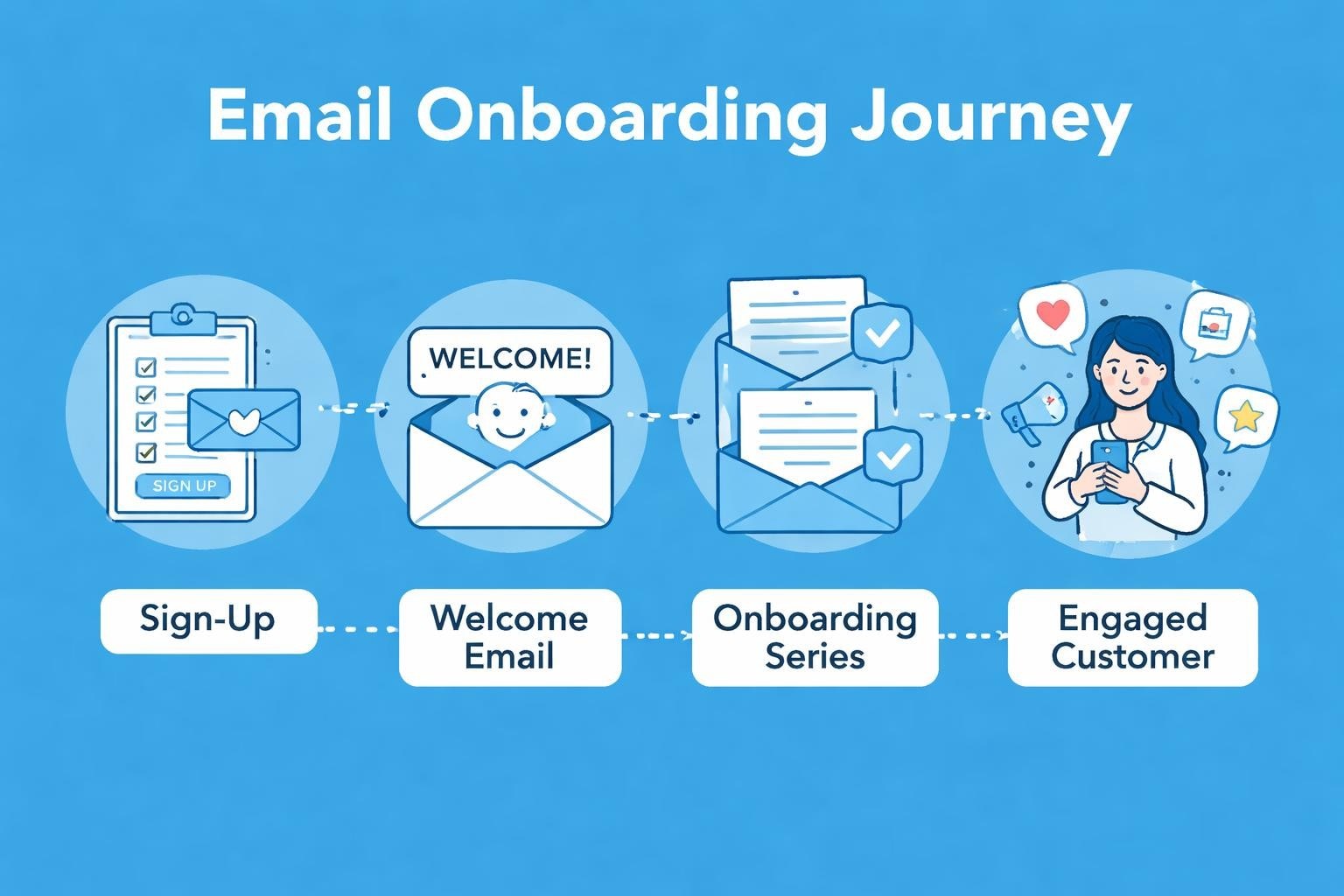
The get started email represents one of the most critical touchpoints in your customer relationship. This initial communication sets the tone for every interaction that follows, transforming curious subscribers into engaged customers. For small businesses, mastering the art of the get started email can dramatically improve customer retention, boost engagement rates, and establish a foundation of trust that drives long-term success. Understanding how to craft these messages effectively requires both strategic thinking and attention to detail.
Understanding the Purpose of a Get Started Email
A get started email serves multiple functions simultaneously. It welcomes new subscribers, confirms their registration, and provides immediate value that justifies their decision to engage with your business. This message typically arrives within minutes of someone joining your email list, making it one of the highest-performing emails in your entire marketing sequence.
The primary objectives include:
- Confirming successful registration and setting expectations
- Providing immediate access to promised resources or benefits
- Establishing your brand voice and personality
- Guiding subscribers toward their first meaningful action
- Building anticipation for future communications
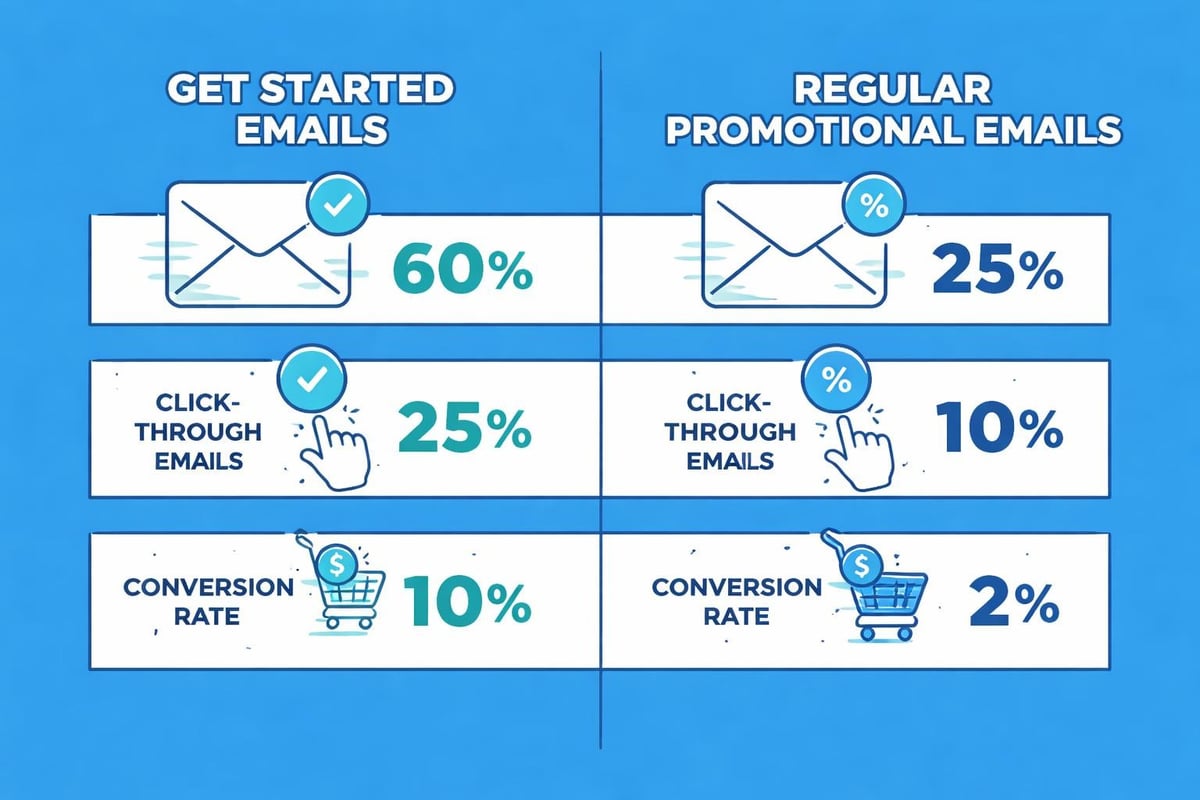
Research shows that welcome emails generate significantly higher open rates than standard marketing messages, with some studies indicating rates exceeding 50%. This exceptional performance makes the get started email an invaluable opportunity to make a lasting impression.
Setting Expectations from the Beginning
Transparency builds trust. Your get started email should clearly communicate what subscribers can expect regarding email frequency, content types, and value delivery. When you establish these parameters early, you reduce unsubscribe rates and improve long-term engagement.
Consider including a brief overview of your email schedule, whether that's weekly newsletters, monthly updates, or occasional promotional offers. This clarity helps subscribers mentally prepare for your communications rather than feeling surprised or overwhelmed when messages arrive.
Essential Components of an Effective Get Started Email
Every successful get started email contains several key elements that work together to create a cohesive, compelling message. Understanding these components helps you structure your communications for maximum impact.
| Component | Purpose | Best Practice |
|---|---|---|
| Subject Line | Capture attention and encourage opens | Keep under 50 characters, include brand name |
| Greeting | Personalise the experience | Use subscriber's first name when available |
| Welcome Message | Acknowledge and thank | Express genuine appreciation |
| Value Proposition | Remind why they subscribed | Reinforce benefits clearly |
| Call to Action | Drive immediate engagement | Single, clear, compelling action |
| Contact Information | Enable communication | Provide easy ways to reach you |
The email marketing best practices from industry leaders emphasise personalisation as a critical factor in email success. Incorporating subscriber data into your get started email creates an immediate connection that generic messages cannot achieve.
Crafting Compelling Subject Lines
Your subject line determines whether recipients open your get started email or ignore it entirely. Despite the typically high open rates for welcome messages, a poorly crafted subject line still underperforms.
Effective subject line strategies include:
- Direct welcome approach: "Welcome to [Business Name]!"
- Value-focused messaging: "Your free guide is ready"
- Action-oriented prompts: "Let's get started with your account"
- Curiosity-driven hooks: "Here's what happens next"
- Personalised greetings: "[First Name], welcome aboard!"
Testing different subject line approaches helps identify what resonates most with your specific audience. Track open rates meticulously and adjust your strategy based on performance data.
Structuring Your Get Started Email Content
The body content of your get started email requires careful planning to balance information delivery with engagement. Too much information overwhelms subscribers, whilst too little leaves them confused about next steps.
Begin with a warm, genuine welcome that acknowledges the subscriber's decision to join your community. Express authentic appreciation without sounding overly formal or salesy. This opening paragraph sets the emotional tone for your entire relationship.
Delivering Immediate Value
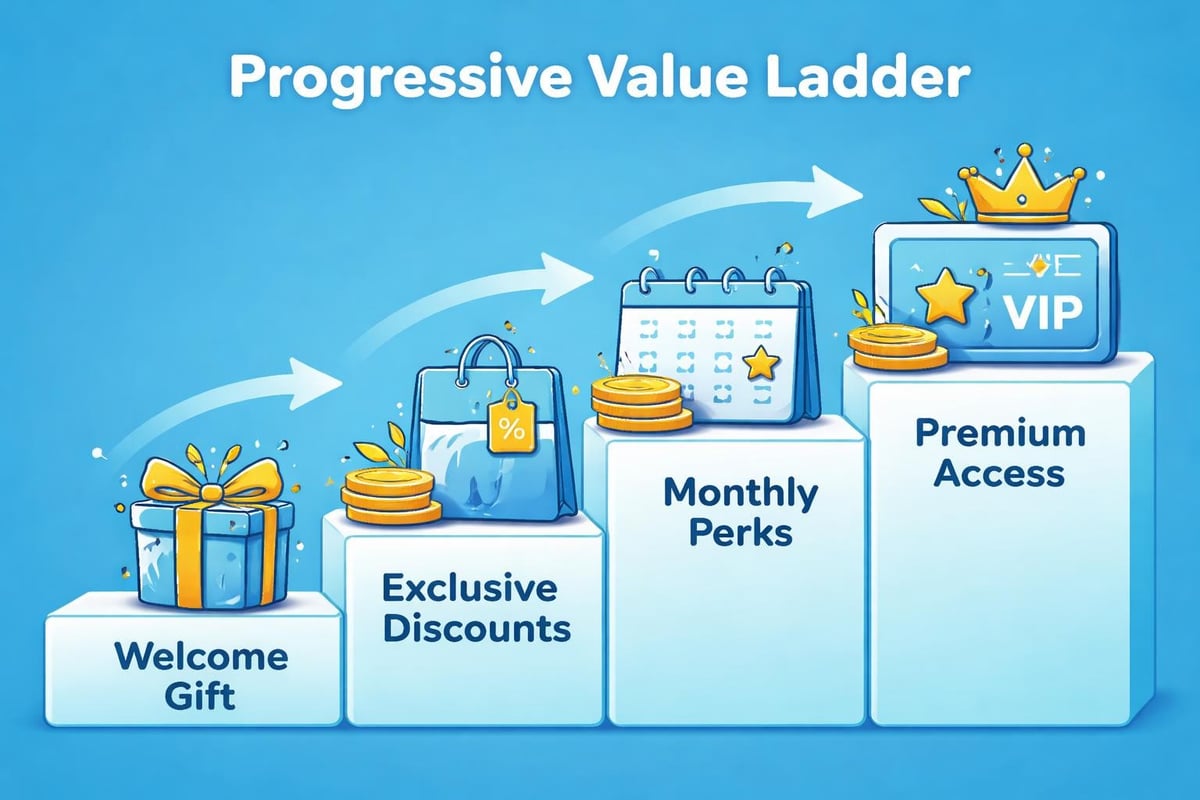
Never make subscribers wait for value. If you promised a discount code, resource guide, or exclusive content in exchange for their email address, deliver it immediately within your get started email. This immediate fulfilment builds trust and demonstrates that you honour commitments.
Consider these value delivery methods:
- Digital downloads: eBooks, templates, checklists
- Exclusive access: Members-only content or early product launches
- Discount codes: First purchase incentives
- Educational content: Tutorial videos or comprehensive guides
- Community invitations: Private forums or social groups
When creating professional emails for your small business, consistency in value delivery strengthens your brand reputation and encourages continued engagement.
Personalisation Strategies That Drive Engagement
Generic get started emails miss opportunities to connect with subscribers on a meaningful level. Personalisation extends far beyond inserting a first name into the greeting, though that represents a solid starting point.
Advanced personalisation incorporates:
- Signup source tracking: Reference where subscribers joined your list
- Interest-based segmentation: Tailor content to indicated preferences
- Behavioural triggers: Respond to specific actions or inactions
- Geographic customisation: Adjust timing and references for location
- Previous interaction history: Acknowledge past website visits or purchases
Small businesses often possess advantages in personalisation because they maintain closer relationships with customers than larger competitors. Leverage this proximity by crafting get started emails that feel individually written rather than mass-produced.
Segmentation for Better Results
Not all subscribers share identical needs or interests. Segmenting your audience allows you to create multiple versions of your get started email, each tailored to specific subscriber characteristics or behaviours.
Common segmentation criteria include:
- Product or service interest
- Industry or business type
- Company size or role
- Purchase history or spending capacity
- Engagement level or activity frequency
The best email marketing software platforms available in 2026 provide sophisticated segmentation capabilities that make this level of customisation accessible even for small businesses with limited technical resources.
Timing and Automation Considerations
When your get started email arrives matters nearly as much as what it contains. Immediate delivery after subscription signup performs best, capitalising on the subscriber's peak interest and engagement.
| Timing Strategy | Use Case | Expected Impact |
|---|---|---|
| Instant (0-5 min) | Standard signups | Highest engagement |
| Delayed (1 hour) | Double opt-in confirmation | Verification focus |
| Scheduled (next morning) | After-hours signups | Business hours delivery |
| Sequential series | Complex onboarding | Graduated information |
Automation ensures consistent, timely delivery regardless of when subscribers join your list. Setting up automated get started email workflows eliminates manual sending requirements whilst maintaining the personal touch that drives results.
Building an Onboarding Sequence
Whilst a single get started email provides value, a series of onboarding messages maximises subscriber engagement and education. This sequence gradually introduces your brand, products, and value proposition without overwhelming recipients.
Effective onboarding sequences typically include:
- Email 1 (Day 0): Immediate welcome and value delivery
- Email 2 (Day 2): Product or service education
- Email 3 (Day 5): Customer success stories or testimonials
- Email 4 (Day 8): Deeper feature exploration or advanced tips
- Email 5 (Day 12): Special offer or conversion opportunity
This graduated approach to business email for small business communications allows subscribers to absorb information at a comfortable pace whilst maintaining consistent touchpoints that keep your brand top-of-mind.
Design and Formatting Best Practices
Visual presentation significantly impacts how subscribers perceive and interact with your get started email. Even brilliant copy underperforms when wrapped in poor design or difficult-to-read formatting.
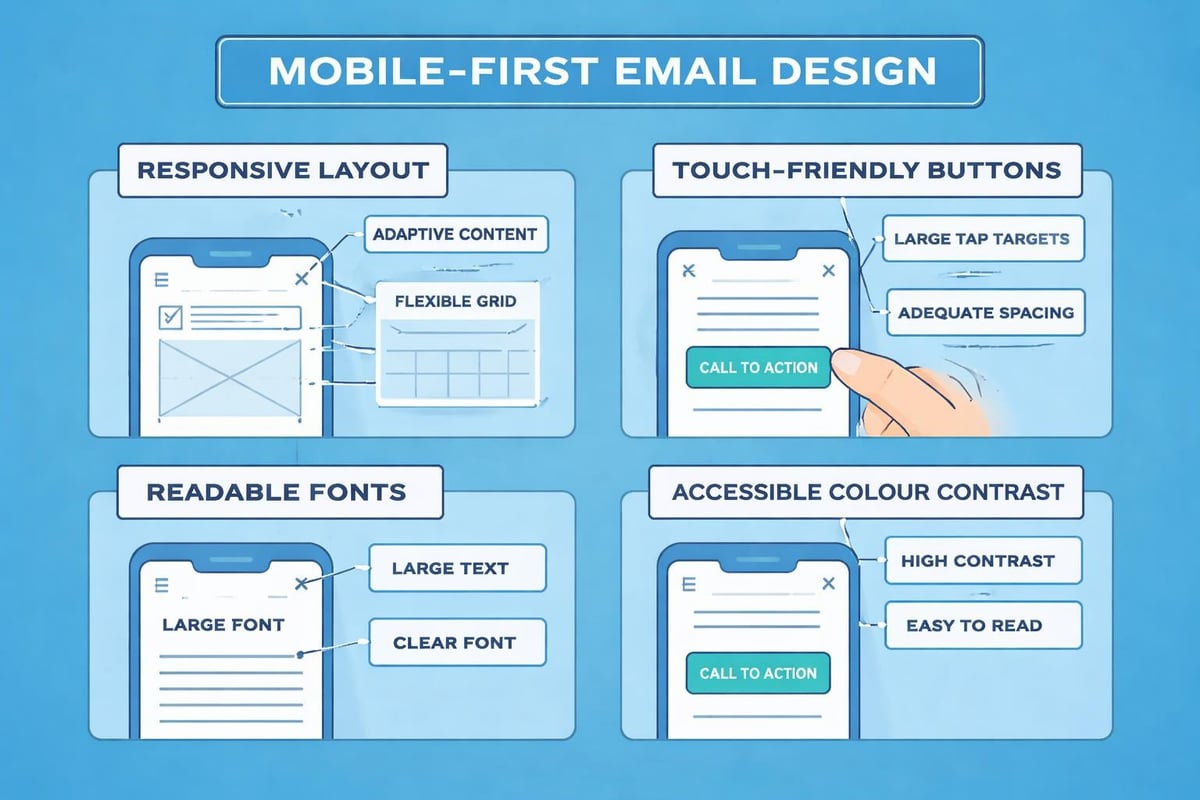
Mobile optimisation stands as a non-negotiable requirement in 2026. Current statistics indicate that over 60% of emails are opened on mobile devices, making responsive design essential rather than optional. Your get started email must render perfectly across smartphones, tablets, and desktop computers.
Key Design Elements
Professional email design incorporates several critical elements that enhance readability and engagement:
- Clear hierarchy: Use headers, subheaders, and spacing to organise content
- Whitespace: Prevent overwhelming readers with dense text blocks
- Brand consistency: Match your website's colours, fonts, and style
- Visual elements: Include relevant images or icons sparingly
- Scannable format: Use bullet points and short paragraphs
Accessibility considerations have become increasingly important, particularly with regulations like the European Accessibility Act affecting email design requirements. Ensuring your get started email works for subscribers with disabilities expands your reach whilst demonstrating social responsibility.
Call-to-Action Optimisation
Every get started email should include a clear, compelling call-to-action that guides subscribers toward their next step. Vague or multiple competing CTAs confuse recipients and dilute response rates.
Effective CTA characteristics include:
- Singular focus: One primary action per email
- Visual prominence: Button or linked text that stands out
- Action-oriented language: Verbs that inspire immediate response
- Value clarity: Obvious benefit to clicking
- Strategic placement: Above the fold when possible
Testing different CTA approaches reveals what motivates your specific audience. Some subscribers respond better to subtle text links, whilst others prefer bold, colourful buttons. Continuous experimentation drives improvement over time.
Creating Urgency Without Pressure
Encouraging prompt action without creating uncomfortable pressure requires finesse. Your get started email can incorporate gentle urgency through limited-time offers, early-bird bonuses, or time-sensitive resources without resorting to aggressive tactics that damage trust.
Consider phrases like "available for the next 48 hours" or "claim your welcome bonus today" rather than anxiety-inducing language that might alienate subscribers. The goal is motivation, not manipulation.
Compliance and Legal Considerations
Responsible email marketing requires adherence to various regulations governing electronic communications. Your get started email must comply with laws like GDPR, CAN-SPAM, and similar legislation depending on your location and subscriber base.
Essential compliance elements include:
- Clear sender identification: Your business name and contact information
- Physical address: Your business's postal address
- Unsubscribe mechanism: Easy, one-click opt-out option
- Accurate subject lines: No deceptive or misleading headers
- Privacy policy reference: Link to your data handling practices
Understanding email marketing compliance best practices protects your business from legal issues whilst building subscriber trust through transparent, ethical communication practices. When implementing your antispam policy, ensure your get started email demonstrates respect for subscriber preferences and regulatory requirements.
Testing and Optimisation Strategies
Continuous improvement separates exceptional get started emails from mediocre ones. Systematic testing reveals opportunities to enhance performance across every metric that matters to your business.
| Test Variable | What to Measure | Optimisation Goal |
|---|---|---|
| Subject lines | Open rates | Increase by 10-20% |
| Send timing | Engagement rates | Peak interaction windows |
| CTA placement | Click-through rates | Maximise conversions |
| Content length | Scroll depth | Optimal information density |
| Personalisation | Response rates | Deeper connection |
A/B testing allows you to compare different versions of your get started email with statistical confidence. Test one variable at a time to isolate the impact of specific changes rather than introducing multiple modifications simultaneously.
Metrics That Matter
Tracking the right metrics ensures your optimisation efforts focus on genuine business impact rather than vanity numbers. For get started emails, prioritise these key performance indicators:
- Open rate: Percentage of recipients who open your email
- Click-through rate: Percentage who click links within your message
- Conversion rate: Percentage who complete your desired action
- Unsubscribe rate: Percentage who opt out after receiving
- Revenue attribution: Sales directly linked to the email
According to comprehensive email marketing statistics, businesses that actively monitor and optimise their welcome email sequences typically see 30-50% higher long-term subscriber value compared to those using static, untested approaches.
Common Mistakes to Avoid
Even experienced marketers make errors that undermine get started email effectiveness. Recognising these pitfalls helps you avoid them in your own campaigns.
Frequent mistakes include:
- Information overload: Trying to communicate everything in one message
- Delayed delivery: Failing to send immediately after signup
- Missing mobile optimisation: Ignoring smartphone users
- Weak CTAs: Unclear or missing calls-to-action
- No personalisation: Generic, template-feeling content
- Compliance oversights: Missing required legal elements
- Neglecting testing: Sending without preview checks
When learning how to send email messages effectively, small businesses benefit from reviewing these common errors and deliberately designing processes that prevent them. Simple checklists ensure consistency and quality across every get started email you send.
The Over-Selling Trap
Your get started email should welcome and inform rather than aggressively sell. Subscribers just joined your list, they're not yet ready for hard sales pitches. Building relationship foundations takes priority over immediate revenue generation.
Focus on delivering promised value, establishing trust, and creating positive associations with your brand. Sales opportunities emerge naturally from this foundation of goodwill and demonstrated expertise.
Advanced Tactics for Sophisticated Campaigns
Once you've mastered basic get started email fundamentals, advanced techniques can further enhance performance and subscriber experience. These strategies require more sophisticated tools and deeper marketing expertise but deliver proportionally greater results.
Dynamic content insertion allows different subscribers to see customised content blocks within the same email template based on their attributes or behaviours. One subscriber might see product recommendations based on browsing history, whilst another receives content aligned with stated interests.
Behavioural Triggers and Automation
Sophisticated email platforms enable behavioural trigger sequences that respond to subscriber actions (or inactions) automatically. Your get started email might initiate different follow-up sequences depending on whether recipients click specific links, download resources, or ignore the message entirely.
These intelligent automations create highly relevant, personalised experiences that static campaigns cannot match. For small businesses, the SaaS email marketing tools available in 2026 make previously enterprise-only capabilities accessible and affordable.
Integration with Broader Marketing Strategy
Your get started email doesn't exist in isolation. It represents one touchpoint within a comprehensive marketing ecosystem that includes social media, content marketing, paid advertising, and customer service interactions.
Strategic integration considerations:
- Consistent messaging: Align email content with other channel communications
- Cross-channel promotion: Reference social communities or blog content
- Data synchronisation: Share subscriber information across platforms
- Unified branding: Maintain visual and voice consistency
- Coordinated timing: Align email sends with campaigns on other channels
Understanding effective email outreach requires recognising how your get started email fits within the larger customer journey. Each touchpoint should reinforce previous interactions whilst setting the stage for subsequent engagements.
Customer Journey Mapping
Visualising the complete subscriber experience from initial awareness through loyal advocacy helps identify where your get started email fits strategically. This message typically occurs early in the journey, making it crucial for establishing the trajectory of the entire relationship.
Map out the ideal path you want subscribers to follow, identifying key milestones, decision points, and potential obstacles. Your get started email should guide subscribers smoothly toward the next logical step whilst removing friction that might derail progress.
Mastering the get started email transforms how your business connects with new subscribers, establishing relationships built on trust, value, and mutual benefit. By implementing the strategies outlined above-from personalisation and segmentation to compliance and continuous optimisation-you create welcome experiences that engage recipients and drive long-term success. Astonish Email provides the tools and capabilities small businesses need to create professional, effective get started emails that convert curious subscribers into loyal customers.